Examples
Roundabouts, highways, transit, neighborhoods, construction, and cycling
Roundabouts
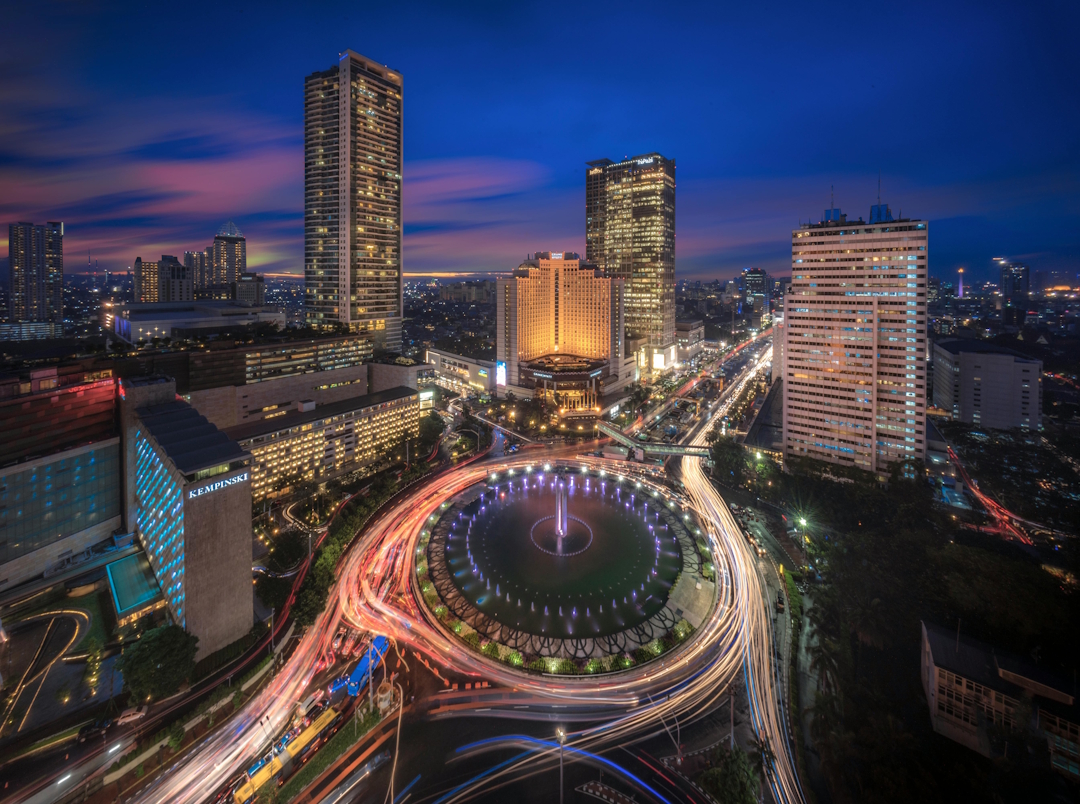
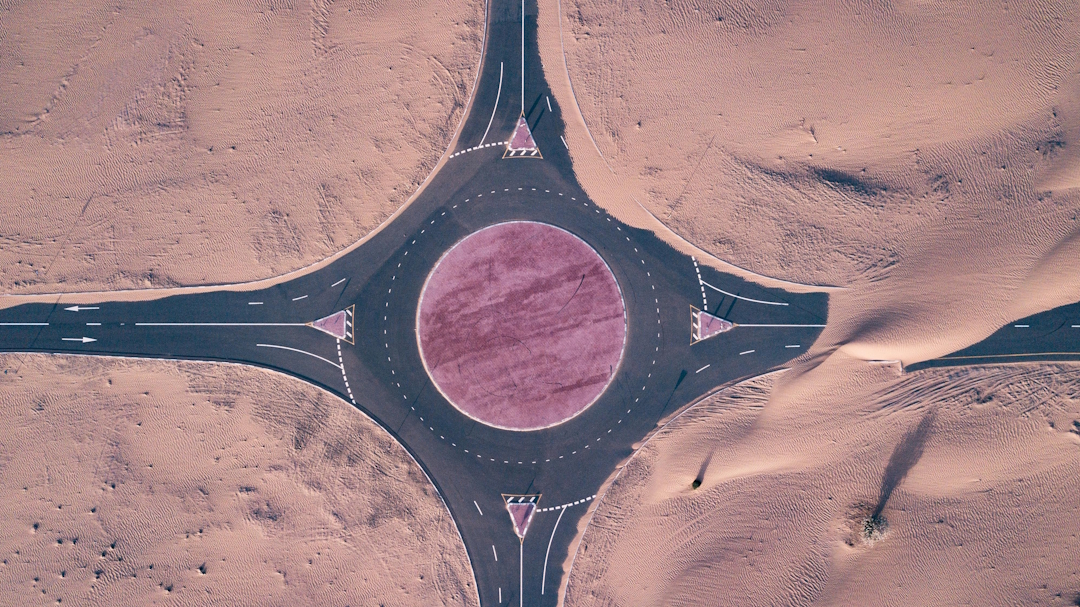
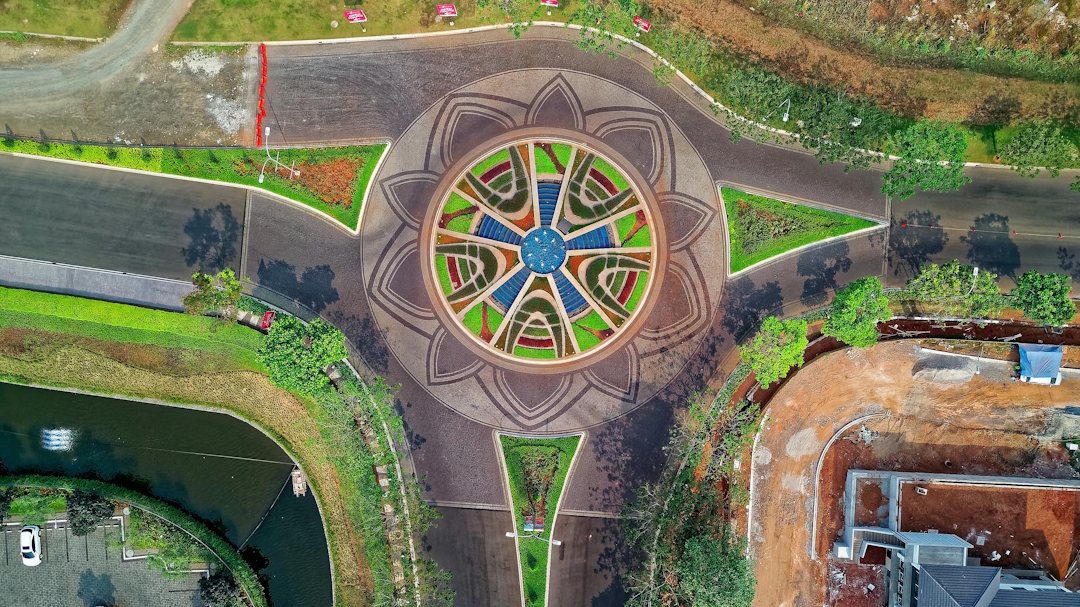
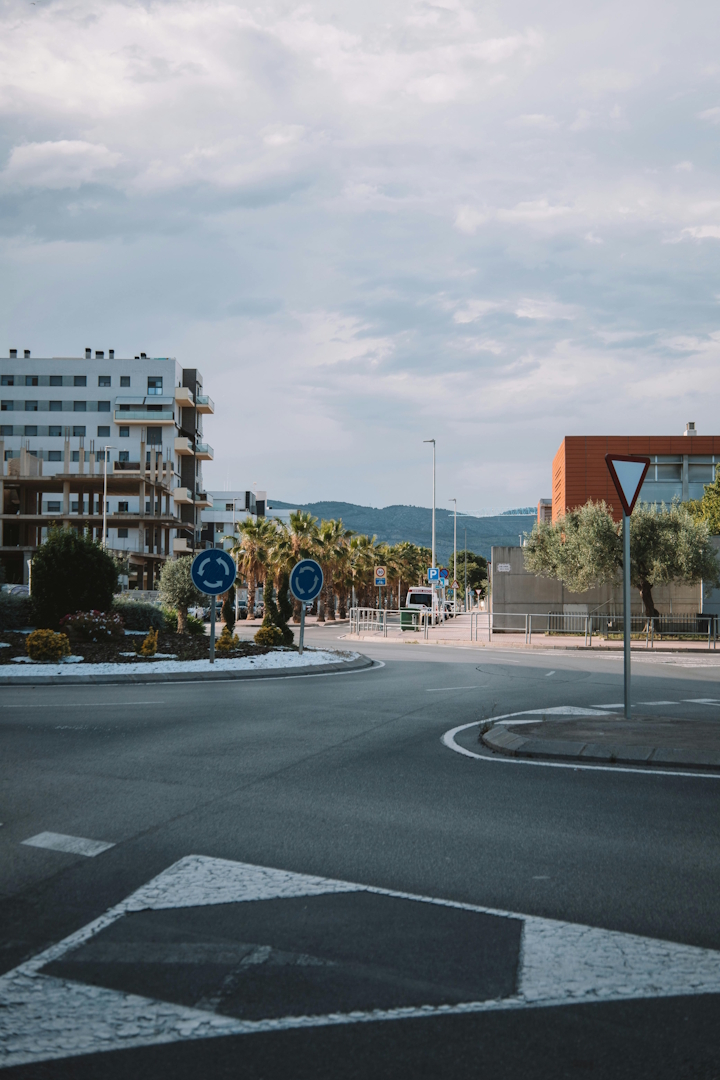
Modern roundabouts are usually described as "self-regulating intersections." By design they eliminate high-speed right angle crashes. These crashes are some of the deadliest collisions in the United States. Studies show that roundabouts reduce fatal crashes by 90% and injury prone crashes by 75%.
Pros: Roundabouts provide major saftey improvements by lowering fatal crash rate with a design that minimises idling which lowers fuel consumptions and emissions in comparison to standard intersections.
Cons: Roundabouts can be difficult for pedestrians and cyclists to navigate. Initial construction costs and public unfamiliarity make implementation both politically and financially challenging.
Highway
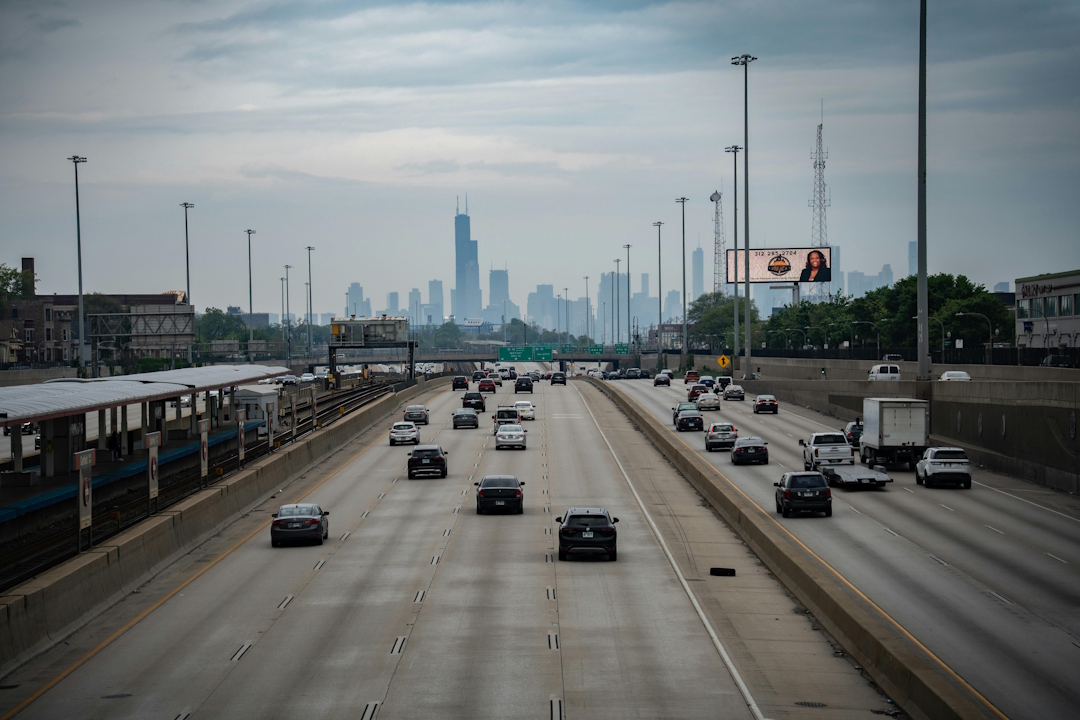
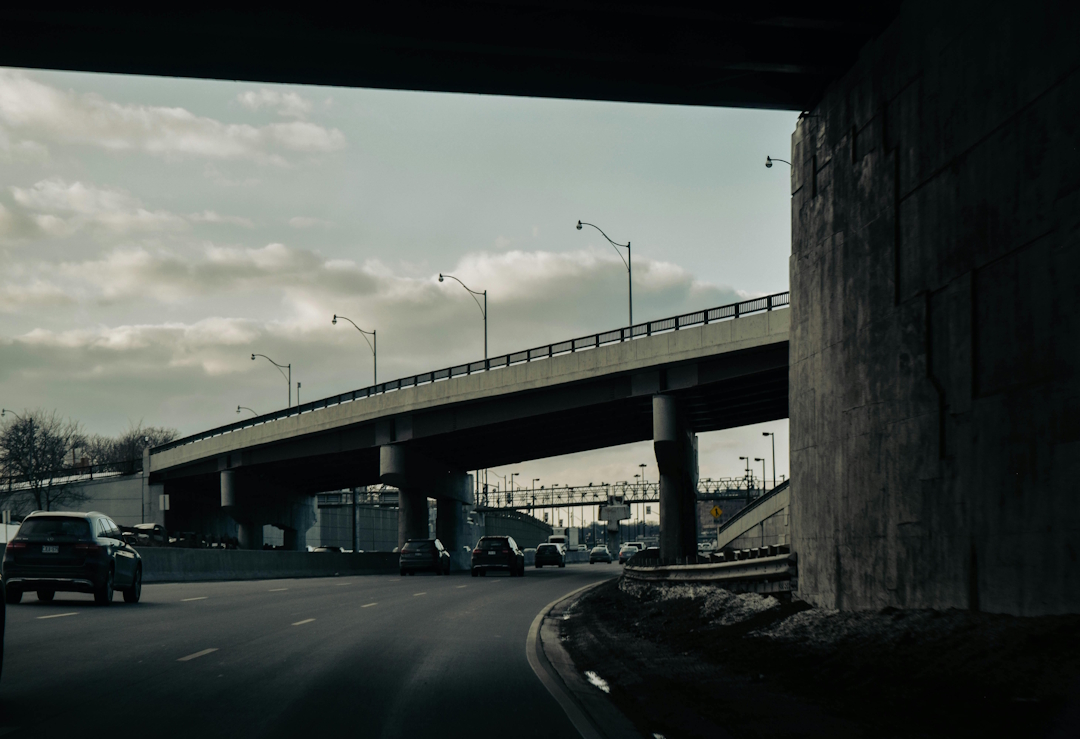
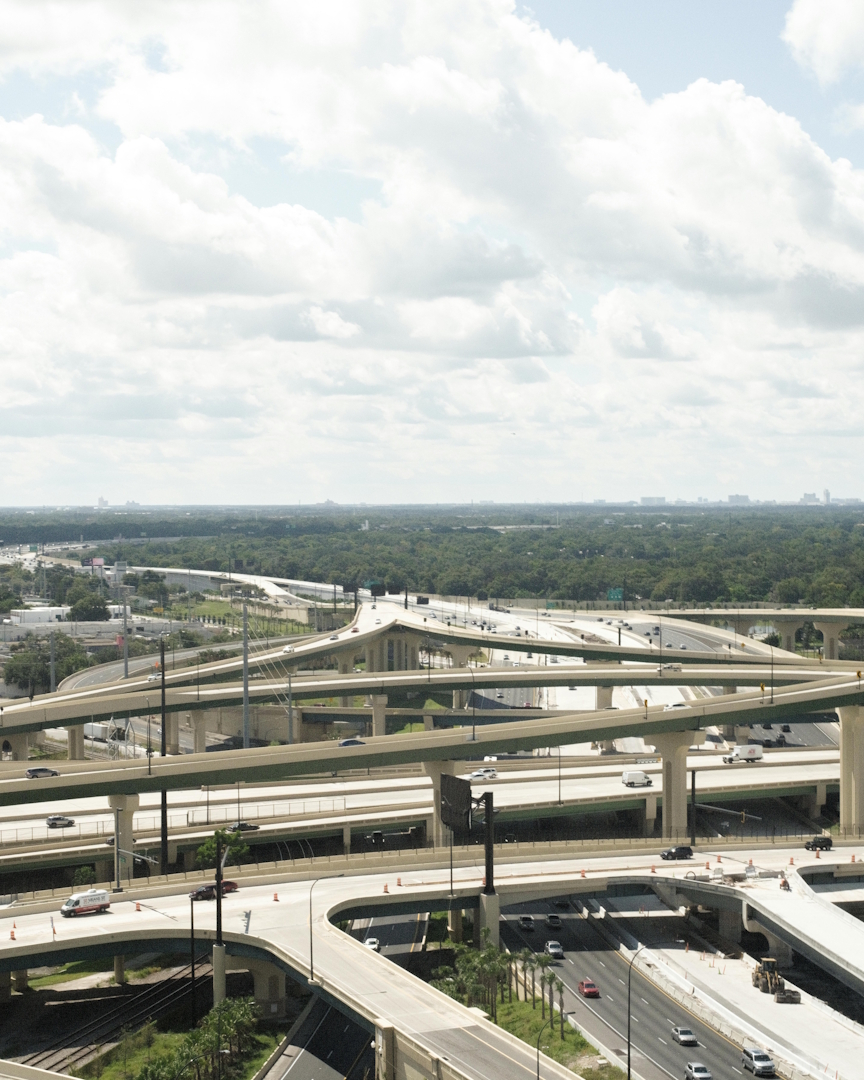
Highways are very useful for modern mobility. They provide easy access to locations long distance as many span for hundreds of miles. However, there is immense risk on these roads. Over 40,000 pople die annually in motor vehicle crashes on the highway. Highways provide speed and efficiency, major consequences come with this convenience.
Pros: Highways enable high-capacity, long-distance travel, moving millions of people and goods daily.
Cons: Highways are responsible for dividing communities, the annual deathes of thousands, noise and air pollution, and long term enviromental degradation.

Transit
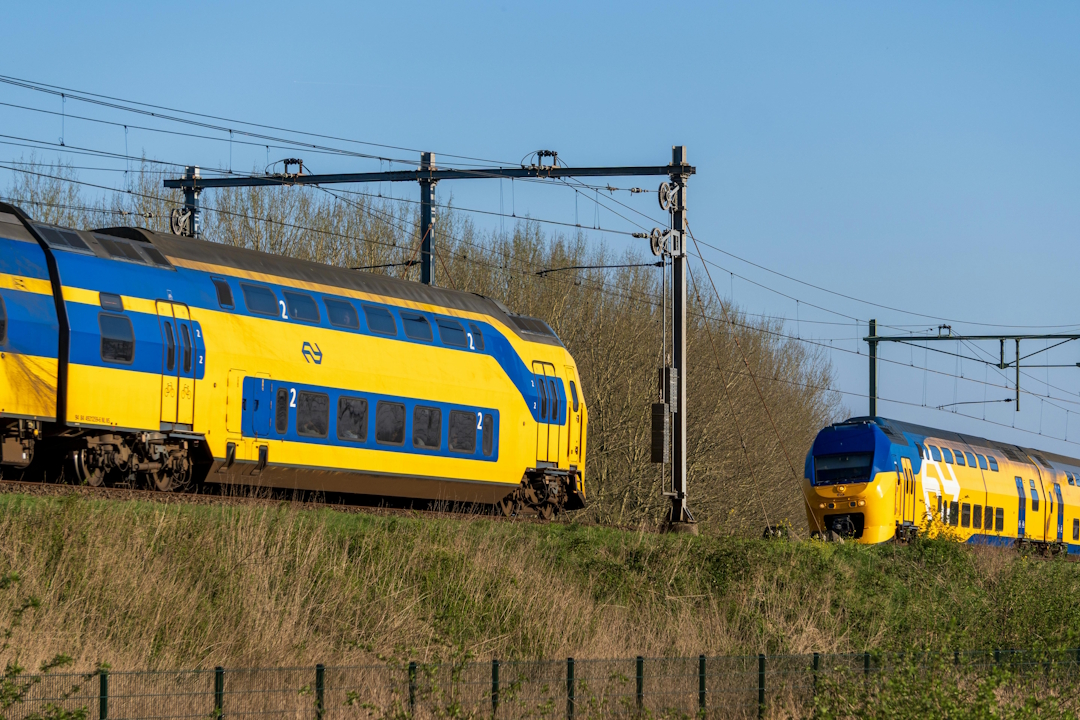
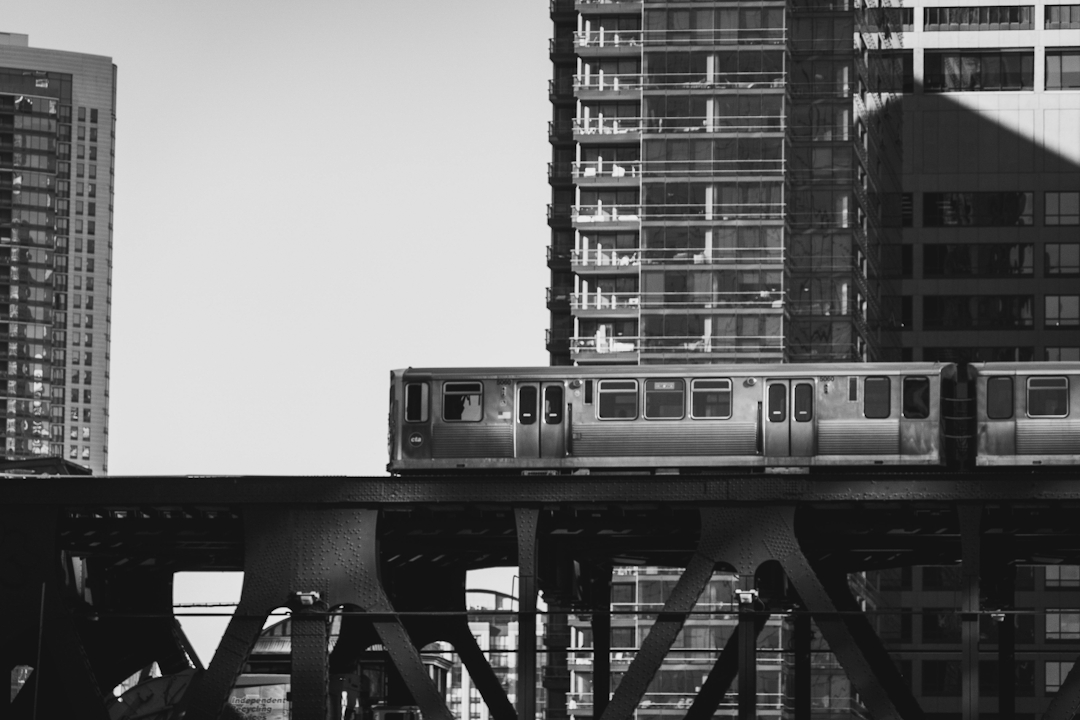
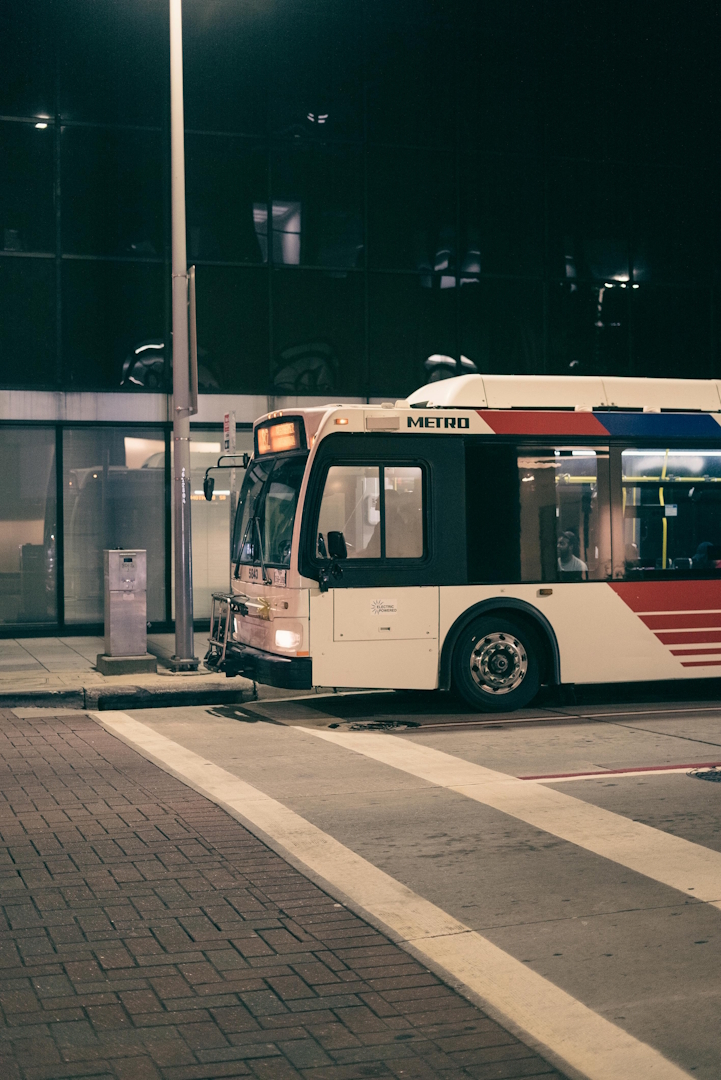
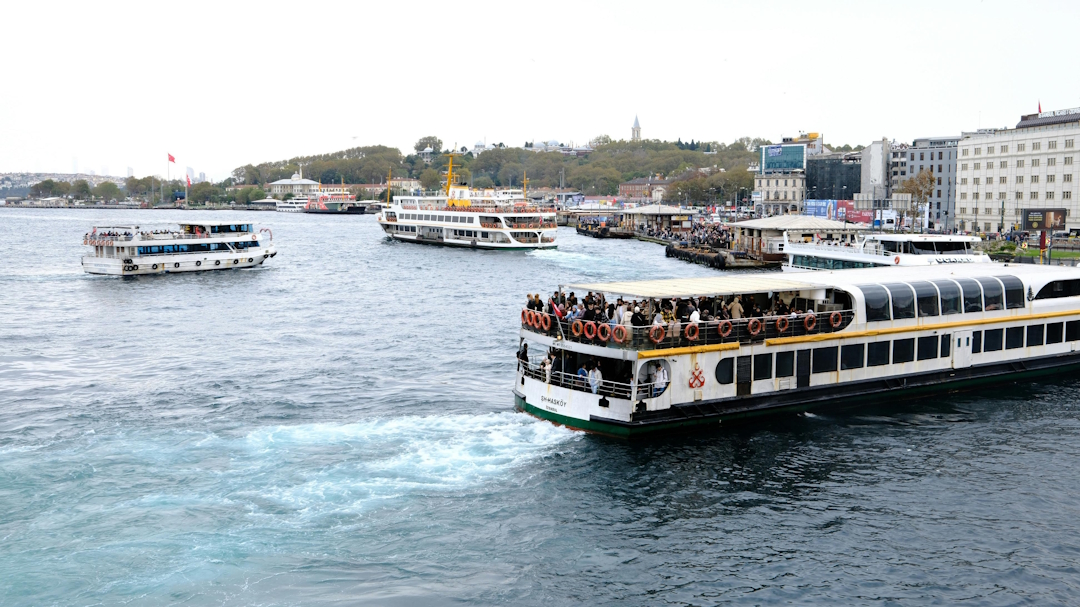
Public Transit systems are crucial for city design. Research shows that cities with high transit use experience traffic fatality rates nearly 50% lower mmorre than car dependent cities. When residents aaverrage more than 50 transit trips per year, overall crash risks drop.
Pros: Public transit reduces traffic fatalities and improves uurban efficiency by reducing congestion, emissions, and dependence on private vehicles.
Cons: Service gaps or delays can limiy acessibility in suburban areas as well as strain public budgets.
Neighborhood
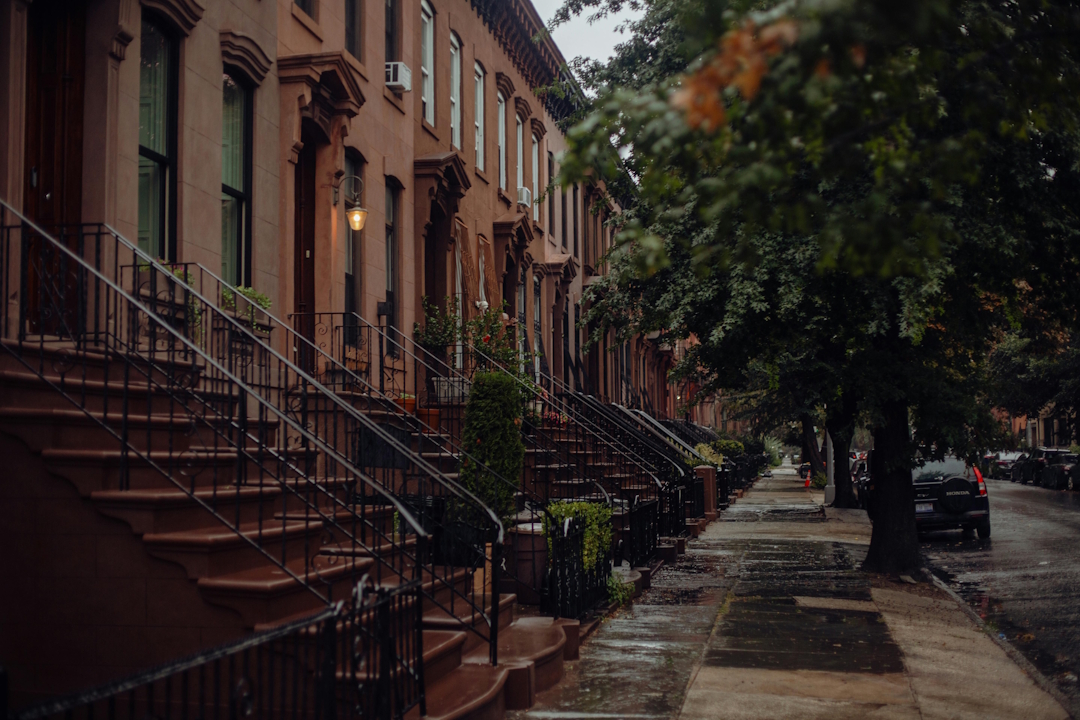
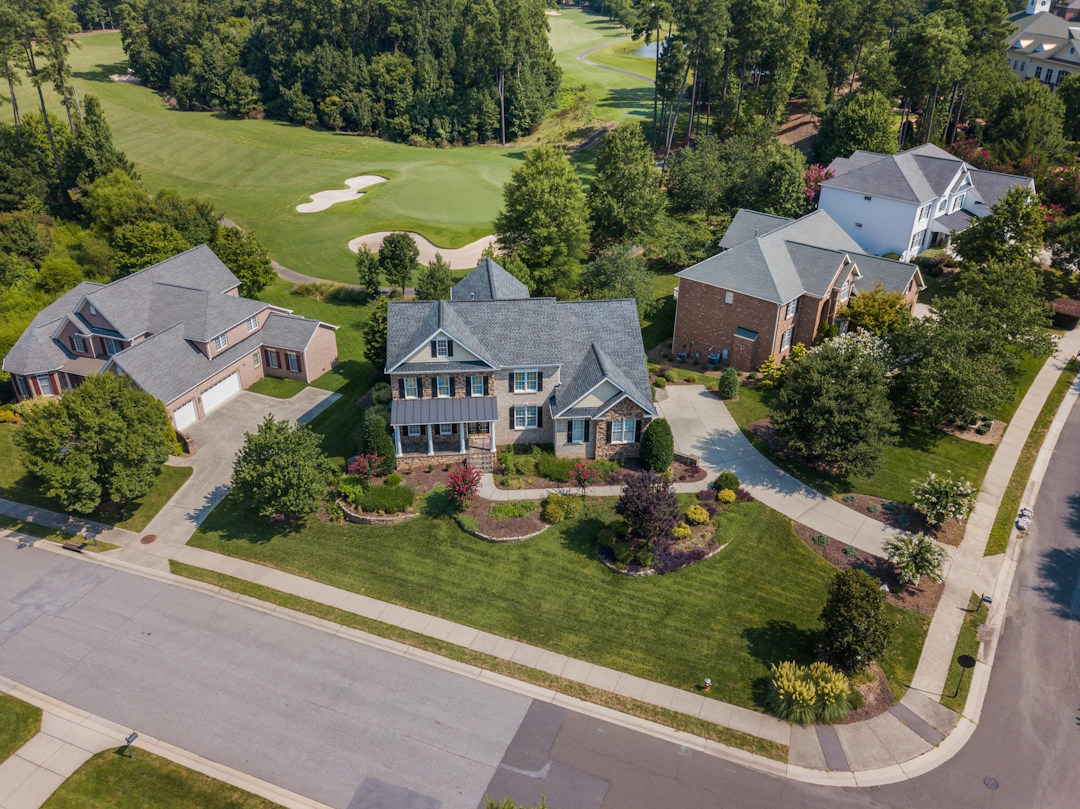
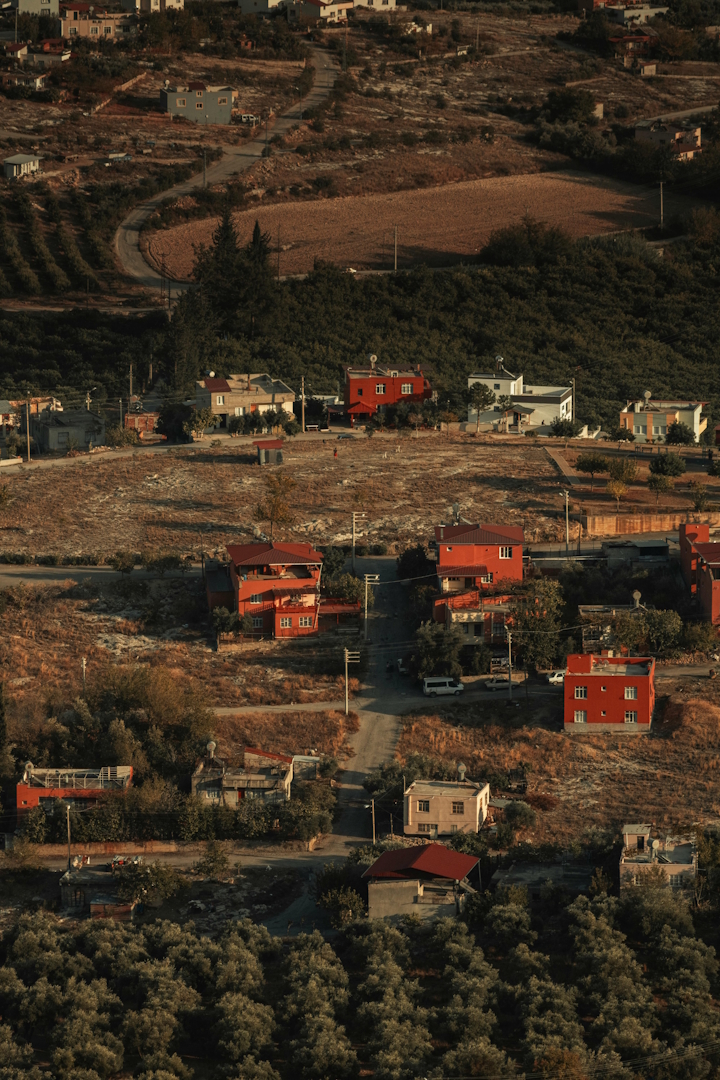
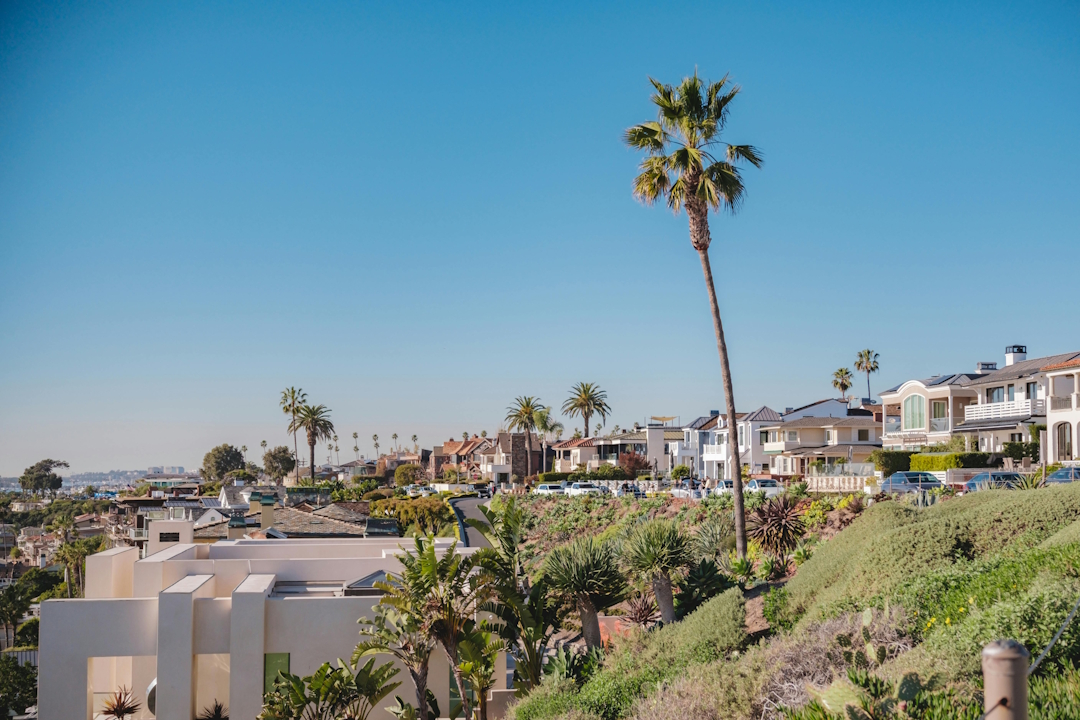
The design of a neighborhood can influence life expectancy. Highly walkable neighborhoods encourage movement and social life. Many of the most walkable neighborhoods sere up to 10 pedeistrian deaths per 100,000 people. Walkability invites life but demands thoughtful safety design.
Construction
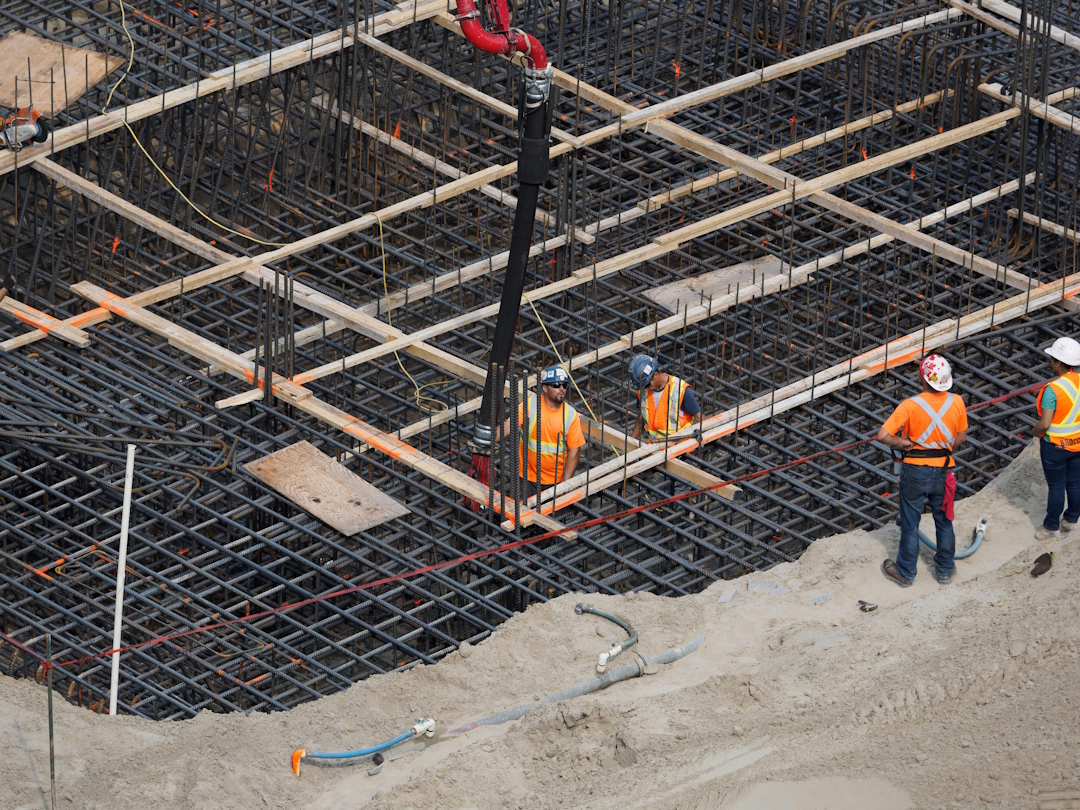
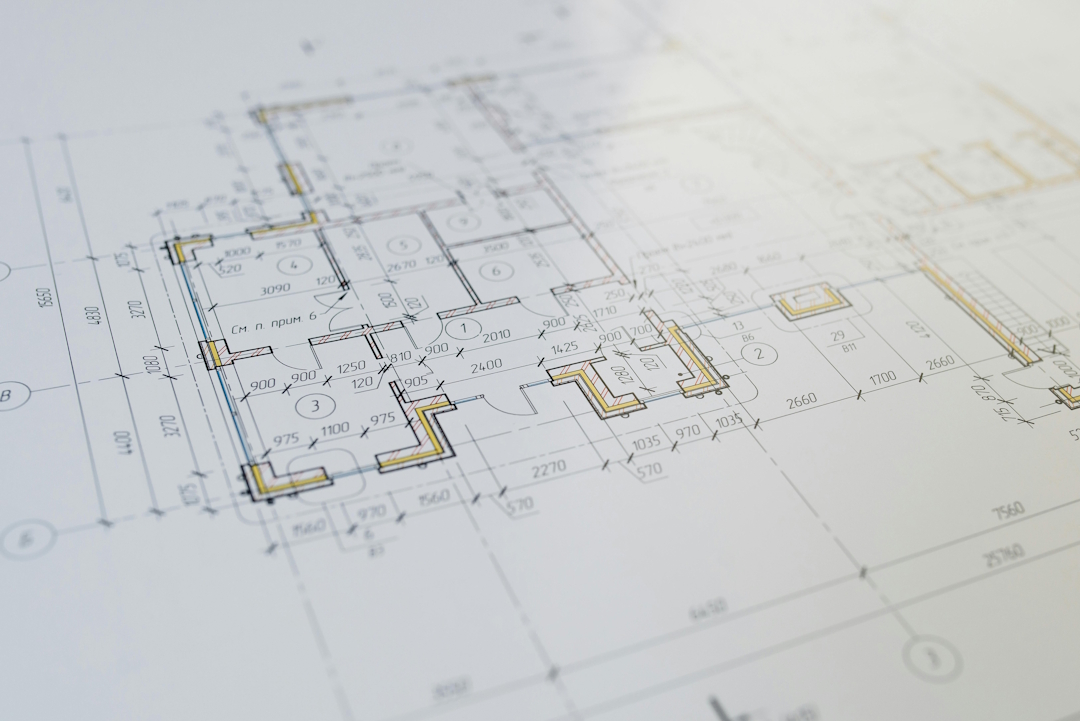
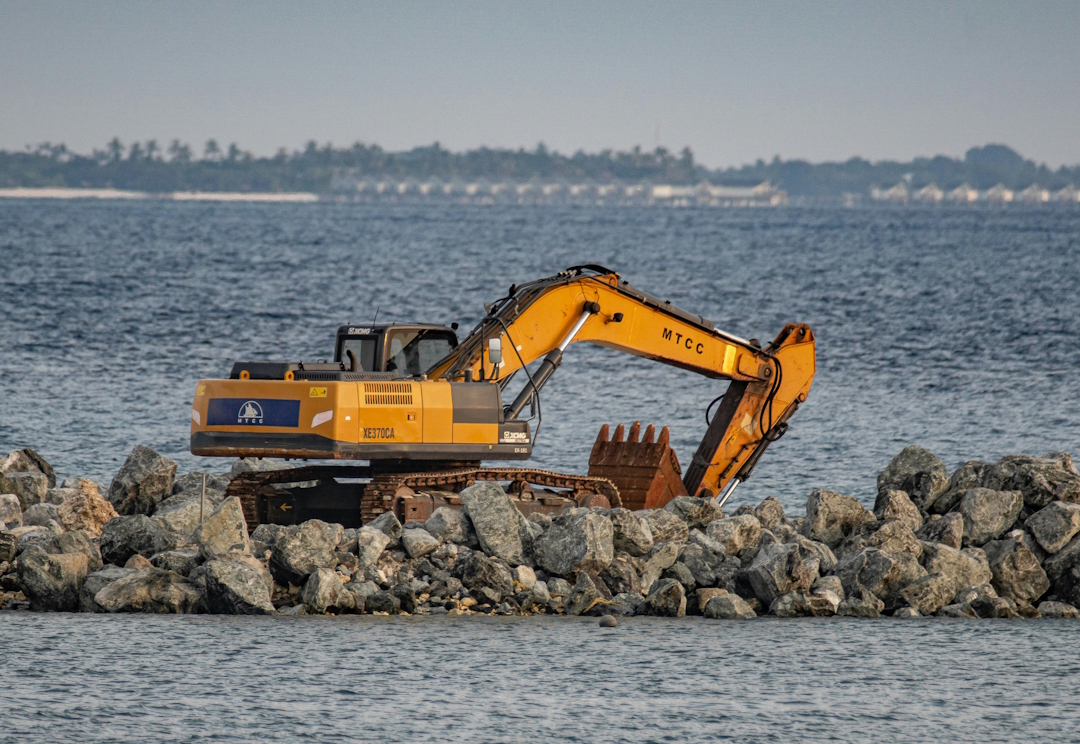
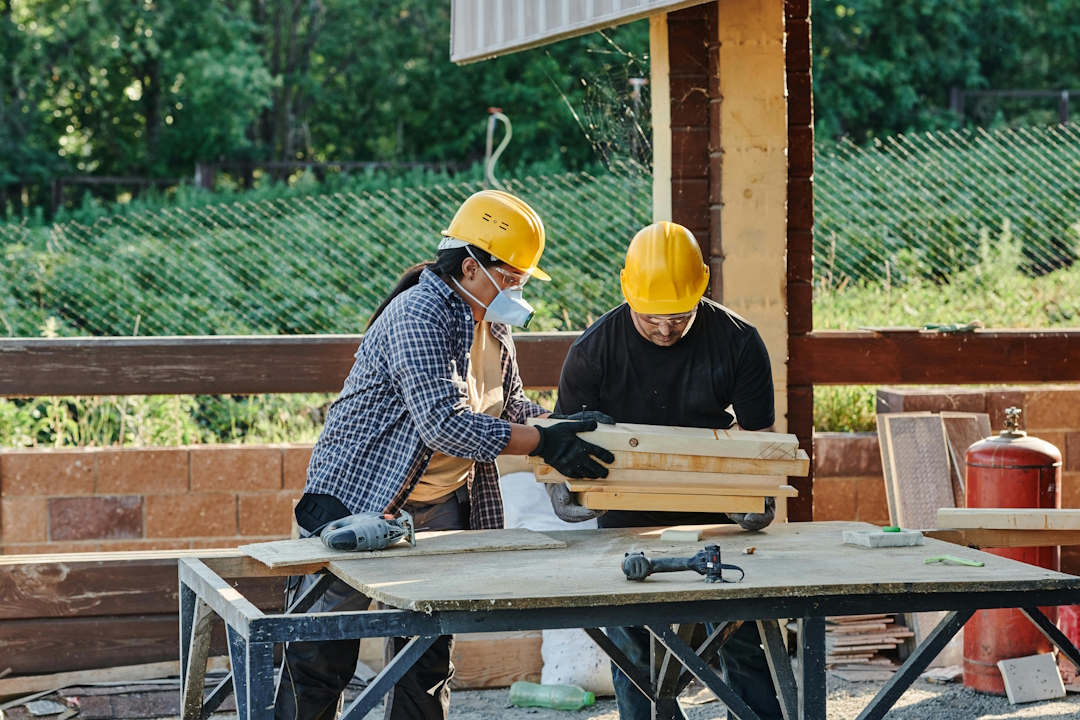
Consturction is the engine behind all infastructure. Roadway work zones alter traffic patterns daily, creating environments where human error is amplified. Nearly 100 highway workers are killed each year in the United States and accidents are more likely to happen in work areas. This means one fatality occurs for every $112 million spent on roadway construction. Every project needs to keep safety in mind with no negotiation needed.
Cycling
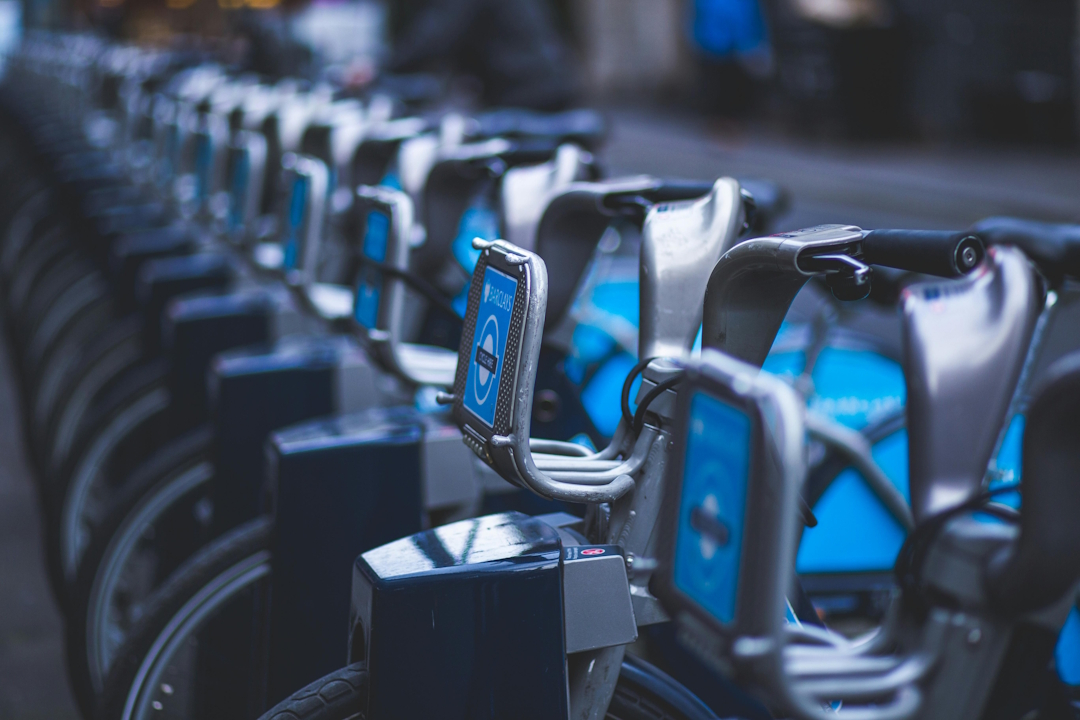
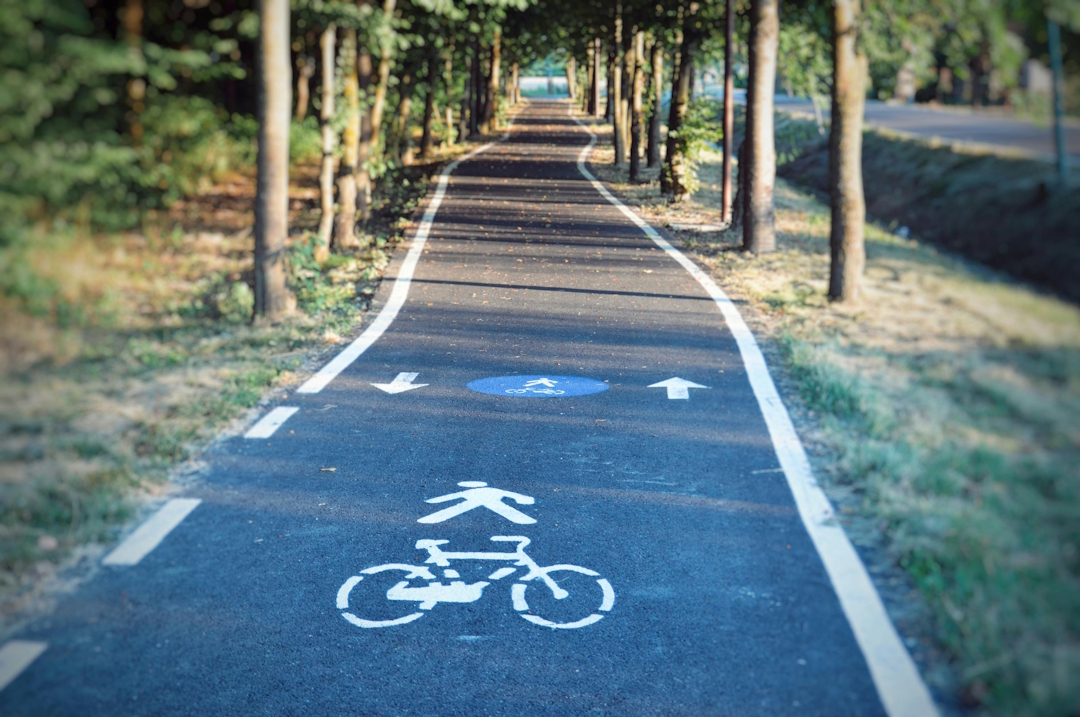
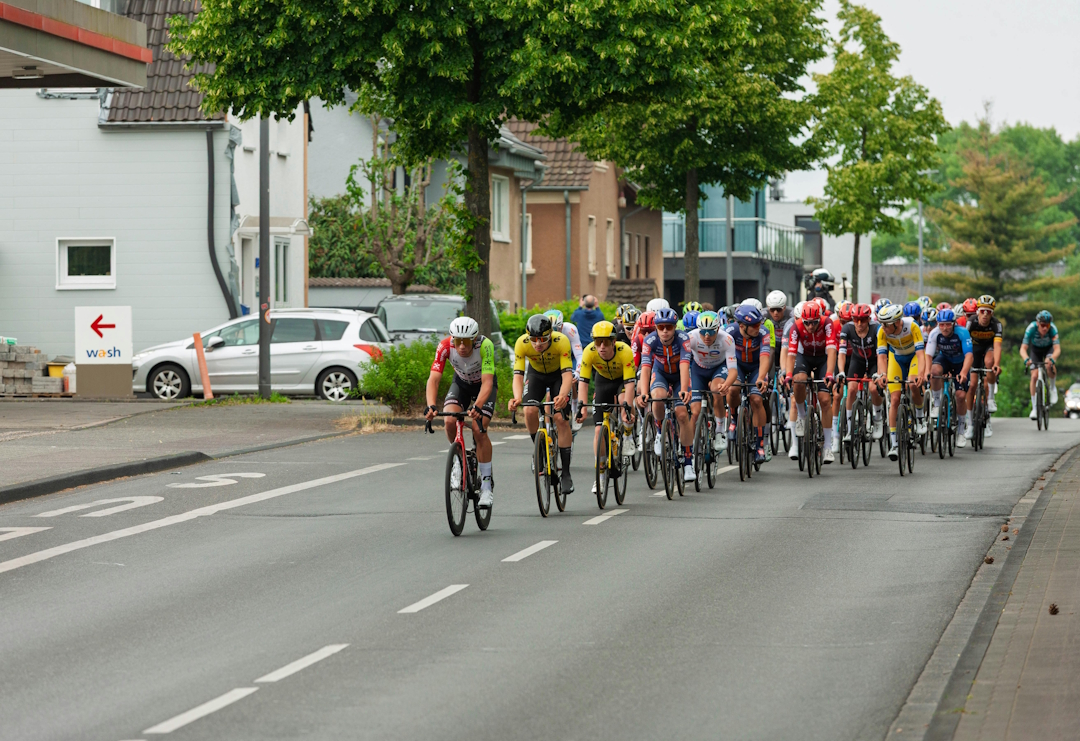
Cycling is the perfect blend of health, sustainability and risk in certain areas. Cyclists account for nearly 70% of traffic fatalities in urban areas. Separated bike paths and lower traffic speeds improve safety and comfort for cyclists.
Pros: Cycling improves public health and reduces carrbon emissions, offering a low-cost sustainable transportation option. Well designed cycling infrastructure enhances urrban livability.
Cons: Cycling safety and accessibility depend on infrastructure which is inconsistent across cities.